
Research findings in Diabetes indicate that insulin resistance can be reversed in obesity models caused by high-fat diets. It has been demonstrated in diabetic mouse models that the administration enhances insulin sensitivity and facilitates glucose uptake in skeletal muscle. In the journal Nature Communications (Reynolds et al. (2021) reported a significant increase in circulating MOTS-c levels after exercise in humans), especially following resistance training. Researchers have categorized the compound as an “exercise mimetic” due to its overlapping effects with both exercise and the diabetes medication metformin.
Not FDA-approved for human therapeutic use. Enhances glucose uptake in skeletal muscle and improves glucose tolerance. The FDA’s Pharmacy Compounding Advisory Committee (PCAC) reviews specific peptides on July 23–24, 2026 and issues recommendations only. MOTS-c Peptide is a peptide compound being studied for its potential anti-aging and longevity-promoting properties. When researching mots-c peptide, the quality of your source material directly impacts the validity and safety of your work.
The compound has been extensively studied in research contexts involving obesity (metabolic syndrome), and insulin resistance. Evidence quality varies — distinguishing between in vitro, animal, and human data is essential. Research peptide purity ranges from 60% to 99%+, and two people on the same dose can get very different results based on material quality alone. The improved physical capacity in old mice, the effects on age-related insulin resistance and the bone findings all feed interest in MOTS-c for healthy aging (7).
No, MOTS-c is still an experimental peptide being explored for therapeutic purposes related to aging and obesity. Furthermore, it has been shown in mice that MOTS-c treatment improves physical performance in mice of all ages and seems to regulate skeletal muscle1. Each goal rests on mouse studies; the only human data with results show that exercise raises the body’s own MOTS-c. These mechanisms come from lab work, not confirmed effects in people. Its primary target organ appears to be skeletal muscle — and under metabolic stress it can move into the nucleus and help regulate stress-response genes. “Exercise in a vial” describes what the mice showed, not what any person has been shown to get.
GLP-1s produce faster (more dramatic weight loss), but often come with nausea, muscle loss, and appetite suppression MOTS-c for sale some people find miserable. The GLP-1 comparison is the one people ask about most. MOTS-c is not FDA approved for any therapeutic use. Only centrally administered MOTS-c (directly into the brain, not something people do outside of research) showed cognitive effects.
Two realities make this category different from most of what patients encounter. Clinicians should not present MOTS-c benefits to patients as proven, and should be candid about the wide gap between preliminary laboratory findings and clinical proof. Whether or not a provider ever considers MOTS-c, patients are asking about it, often after reading longevity content online. Here’s an honest clinical overview of what MOTS-c is, what it has actually been studied for, why its evidence base is still early and largely preclinical, and the regulatory realities every provider needs to understand. Research has focused on metabolic health (insulin resistance, obesity), exercise performance, age‑related cellular decline, and cardiovascular stress.

Why MOTS-c Matters
Keep lyophilized , powder, vials sealed and refrigerated. There is no human data for oral — sublingual or nasal MOTS-c. The closest human data come from the analog CB4211, which lowered fasting glucose 6% and ALT 21% over 4 weeks in 11 adults with fatty liver. In mice, MOTS-c doubled treadmill time in old animals, prevented diet-induced obesity and insulin resistance, and nudged median lifespan up 6.4% , not statistically significant,. The only human safety data come from the analog CB4211, where mild to moderate injection-site reactions were the only treatment-related side effect in more than 10% of people over 4 weeks.
Possible concerns include injection-site reactions, headache, nausea, fatigue, blood sugar changes, immune reactions, and product-quality risks from non-prescription sources. It is being studied as a metabolic signaling molecule that may affect AMPK, insulin sensitivity, and stress-response pathways. It has been studied for cell survival, metabolism, neurobiology, and age-related stress pathways 6, 10. Risks include unclear long-term safety (uncertain product quality from non-prescription vendors), and limited combination data 7, 11.
What Does MOTS-c Feel Like?
In animal studies (MOTS-c improved insulin sensitivity and glucose uptake), increased exercise capacity in aged mice, supported fat oxidation and protected against diet-induced weight gain. The unregulated online market exists in a legal gray zone and carries real safety hazards — unverified purity, inaccurate dosing, and contamination. It is not an over-the-counter supplement — and the “research use only” vials marketed online are not intended or tested for human injection. Alongside labs (patients often log energy), workout performance and recovery, sleep quality, and appetite. This distinction has real implications for quality control.
These resources provide context on quality (legality), and the evolving regulatory environment. The scientific community continues to investigate MOTS‑C through animal studies, cell culture experiments, and limited human trials. The platform emphasizes pharmacy‑grade quality and compliance with FDA guidance, ensuring that only Category 1‑eligible peptides are offered for prescription.
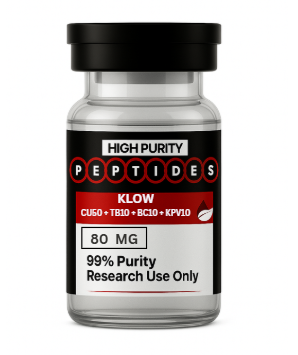
During the consultation (realistic expectations), monitoring frequency, and criteria for stopping are established, ensuring that the decision to initiate treatment is based on complete information instead of marketing claims. As people age (there is typically a decrease in circulating MOTS-c levels), prompting many patients to inquire about the appropriate time to begin treatment. For those patients primarily aiming for substantial weight loss, medications like GLP-1 and dual-agonists provide stronger evidence in humans and are often the initial topic of discussion. The combinations addressed here are not recommendations; rather — they serve as an educational reference for decisions led by clinicians. The matrix below illustrates the distinctions between MOTS-c and the peptides it is frequently associated with, serving as an educational tool rather than a suggestion for their combination. Given that MOTS-c is not an approved medication — patients should prefer to inform the prescribing team about any unusual occurrences.
Resistance to Insulin
This distinction is significant, and it is advisable to understand the regulatory landscape in your specific area before engaging in any peptide research. Due to limited human research on MOTS-c, a thorough side effect profile has not yet been definitively established as it has for more widely studied compounds. Some researchers investigating “stacking,” or the concurrent use of multiple peptides, believe that these compounds target different systems, potentially offering a more holistic approach based on the research goals. Although MOTS-c is frequently referenced alongside other popular peptides, it is crucial to recognize that these substances function through distinctly different mechanisms.