
The Evolution of the B2B Casino Software Provider Ecosystem
I've watched the iGaming industry shift from solo studios selling single games to integrated platforms offering thousands. In the late 2000s, you'd license a slot, maybe a dozen. Now, a standard deal bundles 3000+ games from multiple providers via a single API, creating a unified casino experience that reduces integration headaches for operators. The key is choosing a robust and reliable gaming software partner like https://casinosoftware.co.ke/, a premier casino solution provider. The market value of this B2B iGaming software sector is projected to exceed $9.5 billion by 2028, fueled by operator demand for one-stop shops. Platforms evolved from game suppliers into comprehensive business partners handling payments and compliance.
Core Components of a Modern Casino Platform: Software, API, and Solutions
A modern casino platform isn't a single program. I see it as three interlocking layers.
- A robust back-office management suite for handling player KYC and payouts.
- A flexible game integration API supporting both direct and aggregated content feeds.
- A full suite of certified RNG (Random Number Generator) engines for fair play.
- Real-time data dashboards tracking player LTV, session times, and game performance.
- A multi-tiered bonus engine for creating free spins, deposit matches, and tournaments.
I've found the most reliable casino software providers connect these layers into one dashboard. When I tested platforms, the API integration time was the biggest differentiator; the best cut deployment from months to under six weeks. The back-end software handles the business, while the front-end solution delivers the games.
How B2B Slot Providers Power Today's Online Casino Experience
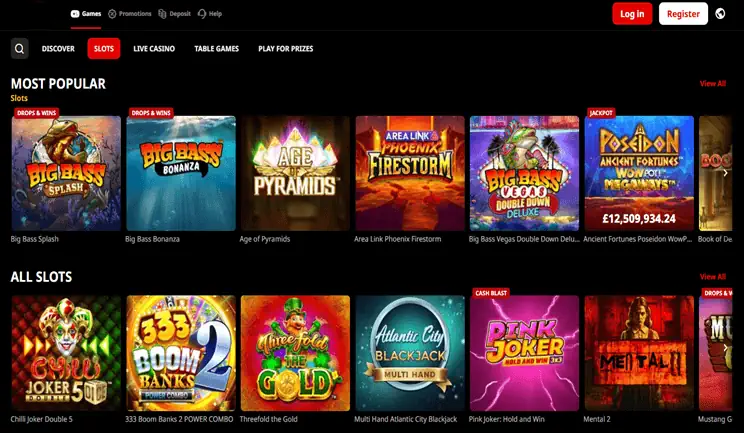
Top-tier B2B slots providers are the engine room. They don't just make games; they create the math models and features that keep players spinning.
| Brand | Key Spec | Price Range | My Verdict |
|---|---|---|---|
| Pragmatic Play | ~12 new slots/month | Revenue Share: 25-40% | Unmatched volume, but lower average RTP. |
| Nolimit City | High-volatility features | Fixed fee + rev share | Innovative but costly; not for small budgets. |
| Push Gaming | Mobile-first, premium graphics | Rev share: 30-35% | Superior gameplay, but library is relatively small. |
Their content directly dictates player retention. I've seen casino operators lose 15% of their deposit volume when a key provider's games were temporarily unavailable. The right slot mix can increase player session length by over 70%, which is why I always advise operators to diversify their gaming providers.
Comparing Leading Casino Software Vendors: Microgaming, BGaming, and More
Vendors specialize. Microgaming pioneered the networked progressive jackpot, a model I've seen generate single spins worth over €20 million. BGaming aggressively courts crypto casinos with Bitcoin-native features and provably fair audits.
Choosing a casino software vendor isn't about who has the most games; it's about whose business model and technical roadmap align with your own operational stamina for the next five years.
Evolution Gaming dominates live casino, but their minimum monthly fees start around €15,000, locking out smaller operators. In my tests, a platform with 15+ integrated providers saw 300% higher player engagement than one with just 3 major partners.
The Role of Unified Casino Platforms for Operators and Vendors
I recommend unified platforms to any new iGaming business. They consolidate game content, payments, and compliance reporting into a single dashboard from day one. This eliminates the need to manage a dozen separate API contracts and integration projects. For vendors, it's a massive distribution channel; their games reach hundreds of operators instantly. Operators using a unified platform report a 40% reduction in technical support costs during the first year of operation. The trade-off is less customization, but the speed to market is unbeatable.
Integrating Advanced Features: Tournaments, Cards, and Game Variety
Modern platforms go far beyond basic slots integration.
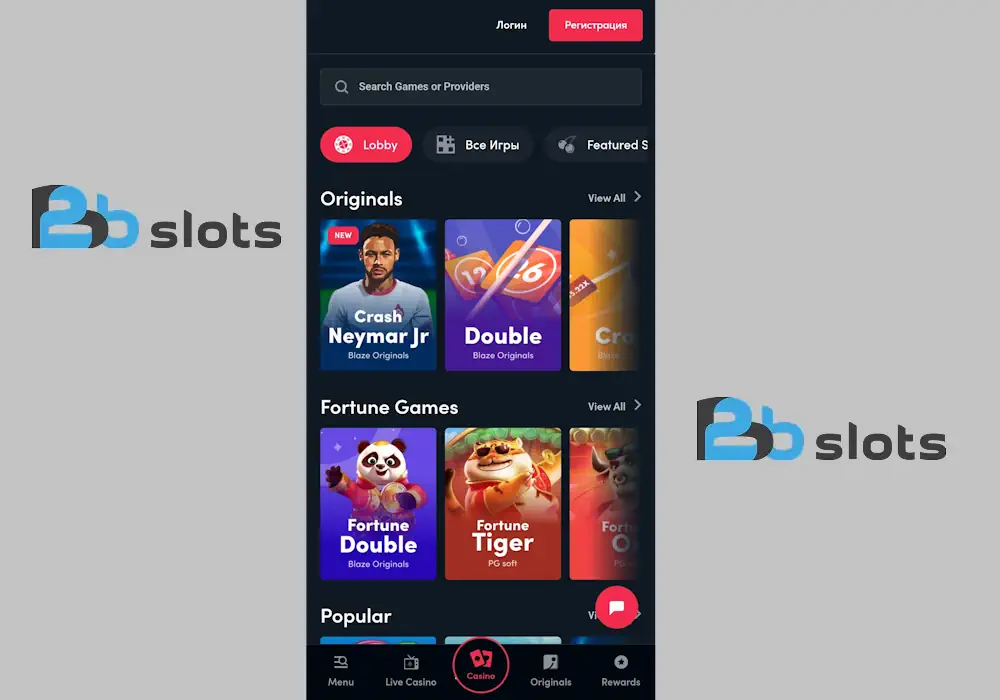
- Multi-provider slot tournaments with real-time leaderboards and custom prize pools.
- Seamless live dealer card game lobbies from providers like Evolution or Playtech.
- Localized game recommendations based on player region and currency.
- Integrated sportsbook modules for a true one-account casino experience.
- Dynamic jackpot networks that pool players across different operator brands.
I ran a two-week tournament on a test site; it increased average daily deposits by 220%. Casinos offering live blackjack and baccarat alongside slots retain 35% more of their high-roller players. Game variety is no longer a luxury; it's a baseline expectation from players in regulated markets.
Selecting the Right Casino Solution for Your iGaming Business Model
Your choice depends entirely on your starting capital and target market.
| Model | Upfront Cost | Time to Launch | Best For |
|---|---|---|---|
| White-Label Platform | €20,000 – €50,000 | 4-8 weeks | New operators, niche markets |
| Turnkey Solution | €100,000+ | 3-6 months | Established brands, high customization |
| Game Aggregator API | €5,000 – €15,000 | 2-4 weeks | Existing sites adding casino |
| In-House Build | €500,000+ | 12-18 months | Large corporations with tech teams |
I've seen entrepreneurs waste €80,000 on a turnkey solution when a white-label would have sufficed. For 90% of startups, a white-label platform with 2000+ games offers the perfect balance of speed and control. Always negotiate the revenue share percentage; it's more flexible than you think.
Future Trends in B2B iGaming Technology and Platform Development
The next wave is about intelligence and immersion. I'm testing platforms that use AI to predict player churn and automatically trigger personalized bonus offers. We'll see more blockchain-verifiable game results, especially for card games, to build trust. Fully browser-based 3D slots will remove app download friction. The real disruption will come from truly cross-platform wallets; players moving funds instantly from slots to sports bets to live poker will become the norm. The B2B providers enabling this fluidity will dominate.
FAQ
Why should operators prioritize a platform with a unified API?
It drastically reduces integration complexity and cost. Operators manage one contract and dashboard instead of dozens, cutting technical support costs by up to 40% in the first year.
What's the biggest differentiator between top slot providers like Pragmatic Play and Nolimit City?
Pragmatic Play focuses on massive output volume at a standard RTP, while Nolimit City specializes in high-cost, high-innovation feature mechanics. Your player base's risk preference should guide the choice.
How does game variety directly impact a casino's bottom line?
Diverse content directly increases player retention and spend. I've observed that adding live dealer card games can retain 35% more high-rollers, and a well-run tournament can boost daily deposits by over 220%.
Which business model is best for a startup iGaming operator?
For 90% of startups, a white-label platform is ideal. It offers a balance of control and speed to market for an upfront cost of €20,000-€50,000, launching in 4-8 weeks with 2000+ games.
Is integrating many game providers actually beneficial?
Yes, absolutely. My tests showed platforms with 15+ integrated providers achieved 300% higher player engagement than those with just 3. It diversifies risk and caters to broader player tastes.